Jeep Wheel & Tire Packages
Every Wrangler and Gladiator is different — trim, lift height, terrain, and use case all change what goes on the rig. Here's how we break down the work.
The daily-driver sweet spot for most Houston Wrangler owners. Quality AT tires handle light to moderate East Texas trail use, wet Houston roads, and highway commuting without the noise penalty of a full MT. The right AT on a JL or JK is a massive upgrade over factory.
- BFG KO2, Toyo AT3, Nitto Ridge Grappler, Falken Wildpeak AT3W
- 33"–37"+ sizing — clearance verified against your lift and trim
- Offset verified for JK/JL 5×127 bolt pattern before ordering
- Mount, balance, and 4-wheel alignment on every install
- TPMS transferred or upgraded — no warning lights at delivery
If you're running Barnwell Mountain, River Run, or Rocky Hill Ranch regularly, an AT won't cut it in Houston clay. Wide-spaced tread blocks and reinforced MT sidewalls give you the self-cleaning grip Texas mud demands. We'll tell you straight up whether your use case warrants a full MT.
- BFG KM3, Nitto Trail Grappler, Mickey Thompson Baja Boss, Toyo MT
- 35"–40"+ sizing on lifted JK, JL, and Gladiator
- Wheel width and offset for mud clearance — verified per trim
- Regear recommendations if tire diameter change warrants it
Jeep is the platform that actually uses beadlocks. Running lower trail pressures without risk of de-beading is the whole point of rock crawling on a Wrangler or Gladiator — and true bead-locking wheels are how you do it safely.
- Brands: Method 305, Fuel Wrangler, KMC Maze, Raceline
- True bead-lock and simulated bead-lock options
- Ring bolt torque to spec — calibrated wrench, star pattern, every time
- Hub-centric hardware: lug nuts, hub rings, valve stems
- 500-mile retorque service available and recommended
Many Jeep owners run wheel spacers to push stance out for larger tires, improve clearance, or correct offset on specific builds. Hub-centric billet aluminum spacers with extended studs are the safe route. We bundle spacers with tires and alignment in one appointment.
- Hub-centric billet aluminum spacers — not open-bore
- 1.25"–2" widths most common for JK/JL fitment
- Factory TPMS retained or upgraded
- Post-install alignment on every combo job
- Done in one appointment — spacers, tires, alignment
Brands We Stock & Install
Authorized dealers for the brands that matter in Jeep builds. No knockoffs, no grey-market imports.
Jeep Wheel & Tire Builds Off Our Floor
Real Jeeps, real fitment. Every build verified, mounted, balanced, aligned, and delivered.
Before You Pick a Tire — Think About What You're Actually Doing With Your Jeep
Most buyers come in knowing they want something aggressive. That's a starting point, not a spec. The most important question we ask before recommending a tire isn't about brand — it's about how you're actually going to use the Wrangler or Gladiator.
Gravel & Dirt Roads
Maintained ranch roads, caliche, light off-pavement driving — this is a large slice of Houston-area Jeep use. You don't need to air down for this. A quality all-terrain at street pressure handles it fine, wears normally, and gets you home without drama. Don't overcomplicate it.
Real Trail Work
Rocky terrain, loose dirt, deep ruts, creek crossings — this is where the Jeep platform shows what it can do. Airing down to 18–22 PSI on an AT or 15–18 PSI on an MT dramatically increases your contact patch. The difference between 35 PSI and 18 PSI on a rocky Texas trail is night and day. This is where Jeep owners actually live.
Technical Rock Crawling
Beadlocks, a compressor, and proper trail pressure management aren't upgrades on a dedicated rock crawling Wrangler — they're the correct equipment. True bead-locking wheels let you run 8–12 PSI safely. At that pressure, the tire wraps around rocks. The Jeep community figured this out decades ago.
Sidewall Strength Changes Everything
Not all tires can air down equally — and this matters more on a Wrangler than on any IFS truck. A thin-sidewall AT might get you to 25 PSI safely. A Load Range E mud terrain with a thick, reinforced sidewall can run 15–18 PSI on a standard wheel. True beadlocks take it to 8–12 PSI. That sidewall compliance is part of what you're paying for with a quality MT — it's not just tread pattern.
Airing Back Up Is Non-Negotiable
A Jeep at trail pressure on the highway is dangerous. Low pressure generates heat rapidly at speed and destroys the tire's structure over time. Every trail rig needs a plan for getting back to street pressure before hitting the road home. An onboard compressor — Viair or ARB — on a JK, JL, or Gladiator means you air back up in 5–8 minutes per tire.
Running trails regularly?
Ask us about adding an onboard air system to your build quote. We install Viair and ARB compressors with tank setups — never get caught flat on the trail or stuck at trail pressure before the highway again.
Mounted, Balanced & Aligned — We Don't Just Bolt It On
Any shop can slide a wheel on and torque it down. We spec the full system — offset, backspacing, load ratings, TPMS compatibility — and check alignment on every install. That's what 12 years of Houston Jeep builds taught us.
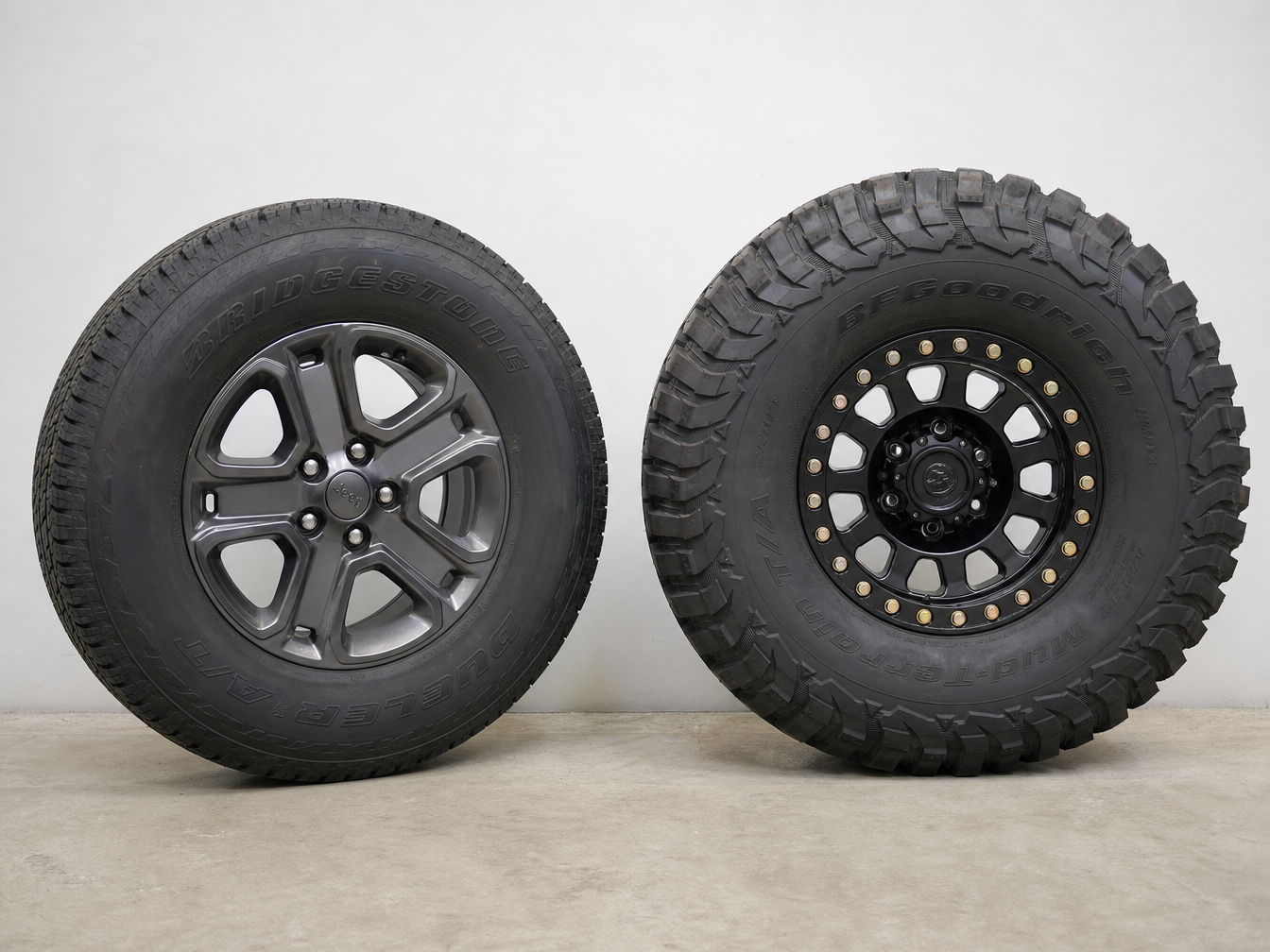
We verify offset, backspacing, hub bore, and clearance before we order anything on your JK, JL, or Gladiator. No guesswork, no rubbing, no returns.
Every install includes professional mount, balance, and a 4-wheel alignment check. We put it on the rack before you take delivery.
Every wheel and tire package comes with our 12-month install guarantee. If something's off, we make it right — no questions asked.
We stock or can order virtually any brand. Bring us a competing quote and we'll beat it or tell you exactly why we can't.
Need the Jeep back fast? We offer same-day service on most in-stock setups. Call ahead to confirm availability.
We program, replace, or retrofit TPMS sensors on every build. JL Wranglers have TPMS standard — your dash warning light stays off.
Wheels & Tires for Wrangler & Gladiator in Houston, TX
If you drive a Wrangler or Gladiator in the Houston area, you already know this city is hard on tires. The combination of extreme summer heat, flash flooding from the Gulf, crumbling concrete on the 610 and I-10 feeders, and weekend trail runs out to Sam Houston National Forest or Barnwell Mountain means your tires aren't facing one challenge — they're facing all of them, sometimes on the same day.
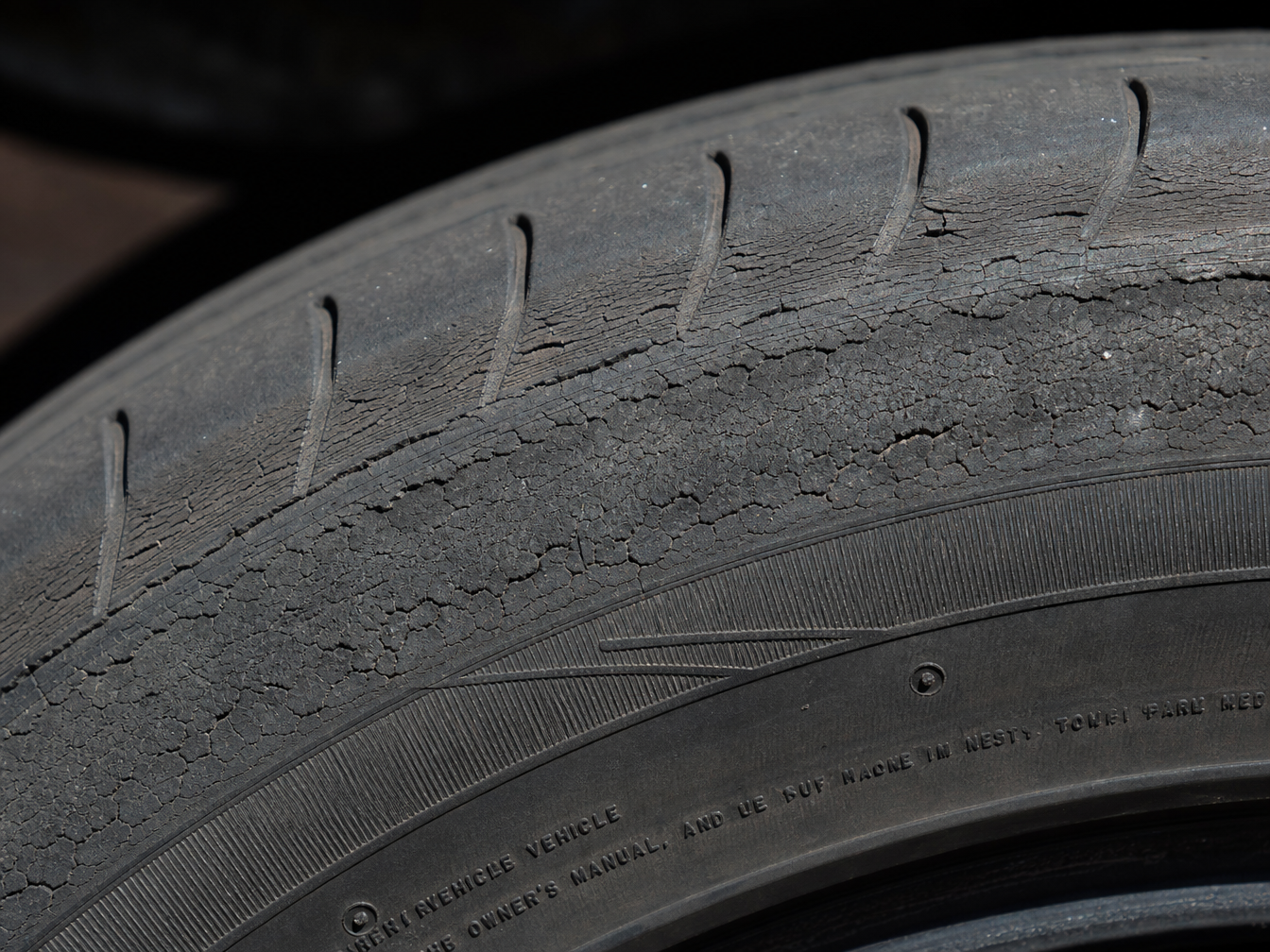
At Summit Jeep Works, we've been fitting wheels and tires on Houston-area Jeeps since 2014. In that time we've learned that the tires that perform in Colorado or Utah don't always perform here. Houston's clay-heavy soil packs into aggressive MT tread faster than most owners expect. The summer asphalt temperatures in Houston — surface temps regularly hitting 150°F+ — degrade soft rubber compounds faster than manufacturers rate them for.
That's why we don't just sell you a popular tire — we ask where you're actually driving and build the recommendation around your real life. A Wrangler owner who runs Barnwell Mountain on Saturdays and commutes 35 miles on the Hardy Toll Road every weekday needs a different setup than someone who daily drives a Gladiator in Katy and never leaves the pavement.
Looking for the best Jeep wheel and tire shop in Houston TX? Summit Jeep Works has been the Houston area's go-to for Jeep fitment since 2014 — 200+ Jeep builds, 4.9 stars on Google, and every install backed by a 12-month guarantee. Call (713) 555-0140 for a free fitment consultation — or walk in. No appointment needed.
Whether you're based in Houston, Sugar Land, Katy, The Woodlands, Pearland, Friendswood, League City, Cypress, Spring, or Humble — if you're driving a Wrangler or Gladiator and you want a wheel and tire setup done right, Summit Jeep Works is the shop that understands the terrain, the climate, and the roads you actually drive.
How to Choose the Right Tire for Your Wrangler or Gladiator
The tire aisle is overwhelming. Hundreds of options, dozens of brands, and marketing language designed more to sell than to inform. Here's a straight breakdown of what actually matters when you're selecting tires for a lifted Jeep.
All-Terrain vs. Mud-Terrain vs. Rugged-Terrain
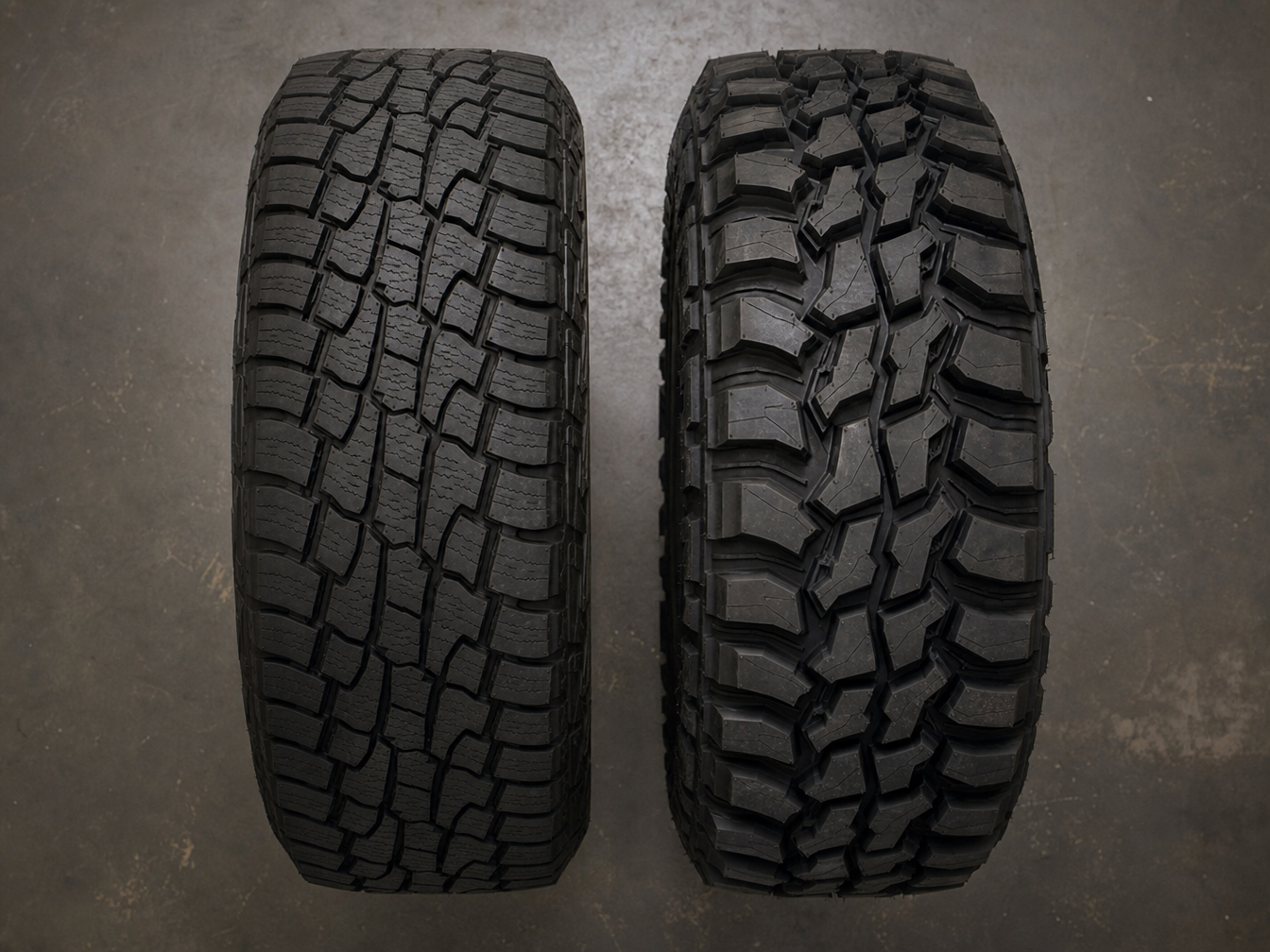
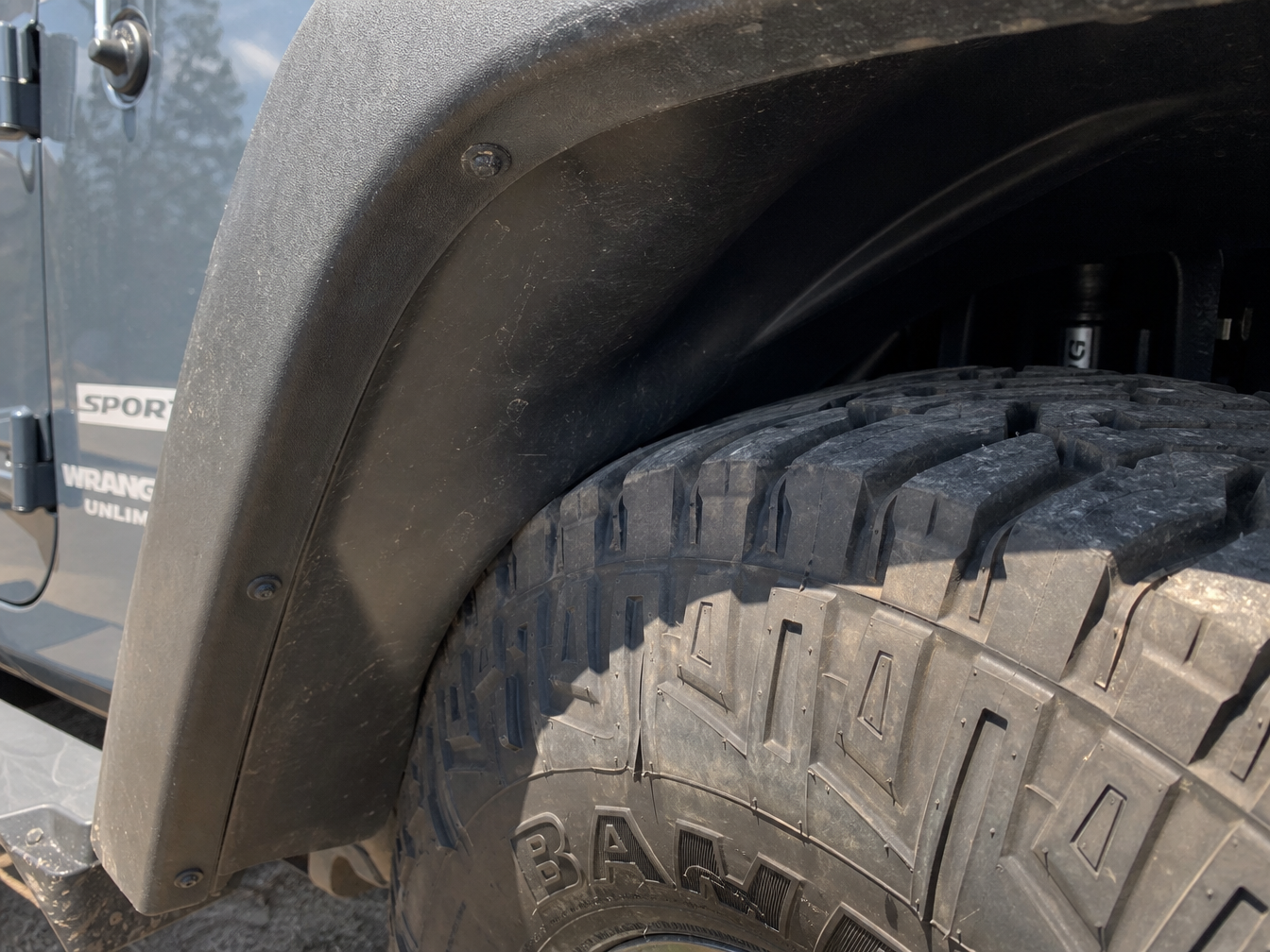
All-Terrain (AT) tires are the daily-driver sweet spot for most Houston Wrangler owners. BFGoodrich KO2, Toyo Open Country AT3, and Falken Wildpeak AT3W offer enough tread for light to moderate trail use, good wet-weather traction for Houston's rainy seasons, and acceptable highway noise. The KO2 specifically is beloved in the Jeep community for its balance of trail capability and street manners. If 80%+ of your miles are on pavement, an AT is almost certainly the right call.
Mud-Terrain (MT) tires are purpose-built for deep mud, clay, and rock. BFG KM3, Nitto Trail Grappler, and Mickey Thompson Baja Boss are the right call if you're doing serious trail runs at least 2–3 times a month and you're OK with the highway trade-offs. In Houston's clay soil specifically, an MT with open, self-cleaning tread is dramatically better than an AT in deep mud conditions. The BFG KM3 is effectively the Jeep community tire — and for good reason.
Rugged-Terrain (RT) tires like the Nitto Ridge Grappler sit between AT and MT in both capability and on-road behavior. Very popular with JL Wrangler owners who daily drive but trail seriously on weekends. You get more bite than an AT, less noise than a full MT.
| Type | Off-Road | Highway Noise | Tread Life | Mud |
|---|---|---|---|---|
| All-Terrain (AT) | Moderate | Low | 60–70k mi | Light mud only |
| Rugged-Terrain (RT) | Moderate+ | Moderate | 50–60k mi | Moderate |
| Mud-Terrain (MT) | Aggressive | High | 30–45k mi | Deep mud |
| Beadlock + MT | Maximum | High | 30k mi | Competition |
Load Index & Ply Rating
If you tow, haul, or plan to load your Gladiator bed regularly, your tire's load index is non-negotiable. For most lifted Wranglers and Gladiators, we recommend Load Range E (10-ply equivalent) tires for anything that hauls or tows, and Load Range D (8-ply) as the minimum for any serious off-road use where sidewall puncture resistance matters.
Wheel Fitment Explained — What Every Jeep Owner Needs to Know
Wheel fitment is more than bolt pattern. There are six specs that determine whether a wheel actually fits safely and correctly on a JK, JL, or Gladiator — and we verify all six before we order anything.
Offset is the distance (in mm) from the wheel's mounting face to its centerline. Negative offset pushes the wheel outward; positive offset pulls it inward. Most lifted Jeep builds run negative offset (-12mm to -25mm) to clear suspension components and give a wider stance. The wrong offset on a JL can cause contact with UCAs or brake calipers.
Backspacing is the distance from the wheel's mounting face to the inner lip. Too little backspacing causes the tire to stick out past the fender; too much causes contact with the inner fender liner or suspension components during full lock. For lifted Jeeps, backspacing is checked against your specific lift and control arm configuration.
The center bore of the wheel must match your hub diameter to be hub-centric. Jeep Wrangler JK and JL share a 71.5mm hub bore. Using a wheel with a larger bore requires a hub-centric ring — without it, the wheel centers on the lug nuts and vibration is the result. We verify hub-centric fit on every install.
All Jeep Wrangler JK, JL, and Gladiator share the 5×127mm bolt pattern. Don't confuse with 5×5 imperial (5×127 and 5×5 are the same) or 5×5.5 (5×139.7), which is a different pattern.
Wheels have load ratings just like tires, and they need to match your Jeep's GVWR — especially if you're carrying gear, towing a trailer, or running a heavy armor package. A decorative wheel built for a car might be rated for 1,500 lbs per corner. A properly spec'd Gladiator wheel needs to handle significantly more. We only carry wheels with appropriate load ratings.
Wheel width determines how the tire sidewall sits — too narrow causes the tire to balloon and reduces sidewall strength. Most 35"–37" Jeep tires are designed to mount on 8"–10" wide wheels. Running a 12.50"-wide 35" tire on a 9"-wide wheel (common for beadlock builds) is acceptable and provides better rim protection on rocky terrain.
Summit Jeep Works verifies all six fitment specs — offset, backspacing, bolt pattern, hub bore, load rating, and width — before we order any wheel set for your Wrangler or Gladiator. Call us at (713) 555-0140 or submit a quote request and we'll do a full fitment check on your specific Jeep at no charge.
Jeep Platform Fitment Quick Reference
Starting-point specs we use as baselines for common Houston Jeep builds. Your actual spec depends on lift height, suspension components, and your build goals.
| Platform | Bolt Pattern | Typical Offset (Lifted) | Common Wheel Size | Common Tire Size |
|---|---|---|---|---|
| Jeep Wrangler JL Sport / Sport S | 5×127 | -12mm to -18mm | 17×9 | 33"–35" |
| Jeep Wrangler JL Rubicon | 5×127 | -18mm to -25mm | 17×9 | 35"–37" |
| Jeep Wrangler JK (all trims) | 5×127 | -12mm to -25mm | 17×9 | 33"–37" |
| Jeep Gladiator (all trims) | 5×127 | -12mm to -25mm | 17×9 or 17×9.5 | 33"–37" |
6 Common Wheel & Tire Mistakes — And How We Avoid Every One
In 12 years of building and fitting wheels and tires on Wranglers and Gladiators in Houston, we've seen the same mistakes over and over — usually by shops that don't specialize in Jeeps, or by owners who bought online without verifying specs. Here's an honest look at what goes wrong, and exactly how Summit Jeep Works handles each one.
The most common fitment error on lifted Jeeps is wheels installed with the wrong offset for the suspension configuration. On a JL with UCAs, this can cause tire-to-UCA contact during suspension travel. Wrong offset also alters scrub radius, causing the Jeep to pull or feel heavy in the steering. Shops that don't know Jeep geometry bolt on whatever fits the bolt pattern without verifying offset suitability.
Changing wheel offset and/or tire size changes your Jeep's scrub radius and can alter caster and camber angles. Installing new wheels and tires without a post-install alignment check will wear your new tires unevenly within the first 5,000 miles. On a lifted Wrangler, caster correction is already critical — an alignment check after new wheels is non-negotiable.
Under-torqued lug nuts vibrate loose. Over-torqued lug nuts stretch wheel studs. The problem is compounded with beadlock wheels, where the ring bolts need to be torqued to precise spec (typically 7–10 ft-lbs in a star pattern) to clamp the bead evenly. We see beadlock ring bolts that were hand-tightened or air-gunned regularly — both cause de-beading risk at lower trail pressures.
New wheels almost always mean TPMS issues — either existing sensors don't transfer cleanly, the new wheels aren't compatible with your sensor band style, or sensors get damaged during dismount. Driving with a TPMS warning light on means you have no warning if a tire loses pressure on the highway. The JL Wrangler has factory TPMS — we won't hand your keys back with the warning light on.
A 12.50"-wide tire on a 7"-wide wheel creates a balloon effect — the sidewall bulges outward, which looks sloppy and reduces sidewall strength. It also affects the contact patch shape, hurting braking and cornering traction. The general rule is that tire section width should be matched to wheels within about 2"–3" of the recommended mounting width.
Every inch of diameter you add to your tire makes your speedometer read slower than actual speed. On a Wrangler going from 31.6" stock tires to 35" tires, this drift is roughly 10% — you think you're doing 65 mph while actually doing 71.5 mph. This also affects odometer mileage for service calculations. We inform every customer and recommend tuning solutions when the size jump warrants it.
These aren't hypothetical problems — they're issues we diagnose and fix for Wrangler and Gladiator owners every week. When you come to Summit Jeep Works in Houston TX, you're working with a team that has seen every failure mode and built our process specifically to avoid them.
Serving Jeep Owners From Across Greater Houston
Summit Jeep Works is located in Houston and serves Wrangler and Gladiator owners from across the entire Greater Houston metropolitan area. Jeep owners make the drive from outlying communities because they've learned that proper fitment is worth it.
Katy, Sugar Land, and Missouri City Jeep owners tend to run the heavier builds — rigs heading out to the Colorado River or West Texas. North Houston — The Woodlands, Spring, and Conroe send us JL owners doing Davy Crockett and Sam Houston trails who need fitment precision you can't get from a chain store. Southeast Houston — Pearland, Friendswood, and League City send us Wranglers and Gladiators heading for the Brazos River bottoms and gulf coast marshes, environments that demand aggressive mud terrain and solid beadlock setups.
No matter where you're coming from — submit a quote request, call us at (713) 555-0140, or just walk in. We'll do a free fitment consultation before you spend a dollar.
Jeep Wheels & Tires FAQ
Straight answers about fitment, sizing, and what to expect when you bring your Wrangler or Gladiator in.
Houston, TX 77057
Sat 9am–4pm